

Recent Post

Categories

Follow Us

Like The article?

We have a lot more just for you! Lets join us now

Top Web Dev Qualities You Actually Need to Know

A smiling man with a beard holding a tablet, sitting in a modern office, while another person hands him a coffee. Text on the image reads: "Hire Smarter, Build Faster. Your 2025 Guide to Look Top Qualities in a Web Developer."

Think web developers just write code?
In 2025, they shape your digital brand, customer experience, and your bottom line.

You’re not just looking for someone who can write code.

You need a digital architect: a rare blend of technical wizardry, creative problem-solving, and business savvy.

Because in 2025:

  • AI writes basic code.
  • Users expect lightning-fast, app-like websites.
  • Security threats evolve daily.

So how do you spot the most important web developer skills? Let’s cut through the noise.

Full-Stack Depth + Specialization

The best developers know the whole stack but master one layer.

Look for:

  • Front-end: React 19+, Svelte, or Vue 4 with Web Components.
  • Back-end: Node.js (Deno gaining traction), Python (FastAPI), or Go.
  • Bonus: Serverless (AWS Lambda, Vercel Edge Functions).

If you hear any of this from them, “I just use WordPress page builders”  or “Our last ‘full-stack’ dev struggled with API optimizations. Our new specialist reduced latency by 300ms just by tweaking database indexes.” run!

Obsession with Performance

Google now penalizes slow sites, which can cost you rankings and revenue.

Must-have skills:

  • Core Web Vitals mastery (LCP, INP, CLS).
  • Image optimization (AVIF/WebP, lazy loading).
  • Edge caching & CDN strategies.

If you hear something like, “It loads fine on my machine,” end it right there!

User Experience has nothing to do with your dev’s $3K MacBook.

Security as a Habit

One breach can destroy trust and your business.

Never compromise on the following:

  • OWASP Top 10 expertise, such as SQLi, XSS, and CSRF.
  • Auth best practices, such as OAuth 2.0, and JWT rotation.
  • Dependency hygiene (No more left-pad disasters).

Do not fall for their “We don’t need HTTPS for this internal tool.”

API Whisperer

Modern apps live and die by integrations like Stripe, Twilio, and Slack.

You should look for the following key skills:

  • REST & GraphQL design.
  • Webhooks & real-time data such as Socket.io, and Server-Sent Events.
  • API documentation such as Swagger or Postman.

If your dev says, “I’ve only worked with hardcoded JSON,” you should look for a better one.

Mobile-First Mindset

72% of users browse on phones, but most devs still design for desktop.

Look for:

  • PWA (Progressive Web App) experience.
  • Touch-friendly UI instincts.
  • Testing on real devices, and not just Chrome DevTools.

If your dev says, “We’ll make it responsive later,” know that later never comes.

Git Mastery

No version control means code chaos.

Look for the following green flags:

  • Rebasing, cherry-picking, and conflict resolution.
  • Meaningful commit messages and not “we fixed a bug”
  • GitHub/GitLab CI/CD pipelines.

If your dev is happy to declare that “I email ZIP files of code,” run!

Soft Skills: Explaining Tech Like You’re 5

If they can’t translate tech to business value, you’re flying blind.

Look for the following must-haves:

  • Clear documentation habits.
  • Patient teaching style so they are fine with demonstrating their ideas.
  • Active listening and not just waiting to talk.

A huge red flag is when you dev says. “You wouldn’t understand.”

Future-Proof Learning

Tech is volatile. It changes fast. You need someone who keeps up.

Look for:

  • Side projects with new tech such as WASM, Web3, and AI APIs.
  • Blog or Twitter where they share learnings.
  • Certifications are nice to have, but not required.

If your web developer says something like, “jQuery is still the best,” remind them that it’s 2025, just in case they’re stuck in 2014.

ROI-First Thinking

Great devs ask: “What does success look like for your business?” or “How will this feature move the needle?”

They care about your KPIs, not just your codebase. Search for the following web development expertise:

  • Questions about your KPIs.
  • Cost-effective solutions, and no over-engineering.
  • Post-launch support mindset.

If your dev says, “I don’t care about the business side,” clearly they don’t care about their work.

Debugging Intuition

Anyone can write code, but finding and fixing bugs under pressure? That’s an art.

Strategic developers don’t panic when things break. They stay calm, think clearly, and dig deep until they find the real issue.

  • Methodical problem-solving.
  • Browser DevTools mastery.
  • Performance profiling skills.

And if their first move is: “I’ll just restart the server,” is a brand-aid, not a real solution to your problem.

Frequently Asked Questions (FAQs)

Q1. What’s the difference between a good and a great web developer?

Ans: A good web developer makes do with single-entry bookkeeping. He gets the job done, but gives limited insight. A great web developer masters double-entry. He sees connections between code, UX, and business impact. He will provide you with deep and holistic business insights.

Q2. Which soft skills matter most in web development?

Ans: Web developers need to balance their technical and soft skills to serve you best:

  1. Communication to explain tech like you explain the accounting equation.
  2. Debugging Intuition to proactively sense errors and correct them beforehand.
  3. Business Empathy to see beyond code to ROI, like linking expenses to revenue.

Q3. How do I evaluate a web developer before hiring?

Ans: Audit their skills like you would audit accounts. Check for their Git commit history, ask for API design samples, and dig into their performance testing approach.          

Q4. What technical skills should every web developer have?

Ans: These are your non-negotiable website development skills:

  • Frontend and Backend must be up to the mark.
  • Security Protocols for fraud prevention and data breaches.
  • CI and CD Pipelines to automate repetitive data and operations.

Q5. What are the most important qualities of a good web developer?

If anything, look for the following web developer skills:

  • Debugging mastery.
  • Empathy for users.
  • Adaptive learning.

Remember: Balancing technical/soft skills builds unstoppable teams.

Conclusion

In 2025, code is everywhere, but real impact comes from the people behind it. The best developers don’t just ship features. They ask why, who it’s for, and how it moves your business forward. So don’t settle for someone who can just push code. Look for someone who solves problems, owns outcomes, and moves the needle. When you prioritize developers who combine tech depth with business instinct, you don’t just ship, you grow. A cheap dev costs you 10x in fixes. A great one becomes your secret weapon.

Need a dev who ticks all the boxes?

14K Business Solutions is your perfect match.

Categories

Share

Related blog

your next reading

Lorem ipsum dolor sit amet, consectetur adipiscing elit. Ut elit tellus, luctus nec ullamcorper mattis, pulvinar dapibus leo.

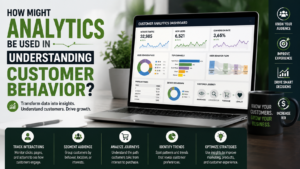
Customer analytics dashboard showing website traffic, user behavior, audience segmentation, customer journeys, trends, and conversion data.

How Might Analytics Be Used In Understanding Customer Behavior

Every click, every scroll, every abandoned cart is basically a customer telling you something, whether you are listening or not. Businesses that actually pay attention tend to grow faster than the ones running on gut feeling alone. Customer behavior analytics takes all that raw data and turns it into something usable. It gives a real picture of what people want, where they get stuck, and what finally gets them to hit buy. This piece walks through how businesses actually use Google Analytics to read their customers. What tools make it possible? Why does it end up shaping everything from ad budgets to product roadmaps? What Customer Behavior Analytics Actually Tracks At the core of it, customer analytics follows a customer across every point they touch a business. The tracking starts from the first ad they scroll past all the way to checkout, or the moment they just close the tab and leave. Website behavior gets watched closely here. You get a complete idea of which pages people linger on, where they bail, and how long they sit before giving up without buying anything? Purchase history fills in more of the picture too, showing which products tend to get bought together and who keeps coming back for more. Lately, platforms have started pulling in sentiment as well. You get mining reviews, support tickets, even social media comments to figure out how people actually feel, not just what they clicked. One page view alone tells you nothing. Thousands of them, stacked against purchase data, start telling a real story. Turning Data Into Actual Customer Insights Collecting the data is honestly the easy part. The hard part, and the valuable part, is turning it into real customer insights. Meaning, this data is something a business can actually act on instead of a dashboard nobody looks at twice. Segmentation earns its keep here. It works by grouping customers by behavior or spending habits so a business stops blasting the same offer at everyone and starts sending the right message to the right group. Predictive analytics pushes this further still. Say a retailer notices customers who buy running shoes tend to come back within three months for socks or apparel. That is not a coincidence worth ignoring, it is a signal worth building a campaign around. Consumer behavior analysis works the same way for spotting churn, catching the quiet signs that someone is drifting away before they actually disappear for good. Where This Data Actually Gets Used Marketing teams lean on behavior data constantly, and it shows in how advertising works today. Google ads read behavioral signals to put ads in front of people already circling something similar. Of course, these ads are blasting a broad, untargeted campaign and hoping something sticks. Local businesses get a version of this too. Google local service ads match nearby customers actively searching for a service with the businesses that offer it, based largely on intent and behavior. It goes beyond ads, though. Product teams use behavior data to figure out what to build next, chasing actual friction points instead of guessing what customers might want. Support teams benefit too. With this data, brands can know a customer’s history before the call even starts. As a result, you cut resolution time and make the whole interaction feel less like starting from zero. Solid digital marketing strategies now build analytics into the whole customer journey, not just the marketing department’s corner of it. Why This Matters More Now Than It Used To Competition is not slowing down in any industry. Also, businesses running purely on instinct keep losing ground to the ones backing decisions with real numbers. Understanding customer behavior means spending marketing dollars where they actually convert. You can benefit from it instead of spreading thin across tactics that sound smart but underperform once the numbers come in. That precision counts even more for smaller businesses working with tighter budgets than the big players. Customers expect to feel understood too, more than they used to. A business that misses that expectation starts losing people to competitors who clearly get their audience better. Analytics is what closes that gap, turning scattered clicks and purchases into an actual picture of what customers want at each stage. Frequently Asked Questions How can analytics improve customer experience? It shows you exactly where people get stuck, a confusing checkout, unclear product details, whatever it is. Fix what the data actually points to instead of guessing, and the experience gets smoother fast. What is customer behavior analytics? It is the practice of collecting and studying how customers interact with a business. Moreover, it measures website activity, purchase history, engagement across channels, all of it. That data helps businesses spot patterns and get ahead of what customers are likely to do next. How does data analytics help understand customer behavior? It catches patterns across huge volumes of interactions that nobody could spot by eye alone. Trends in browsing, buying, and engaging, all of it adds up to a clearer read on what actually drives customer decisions. Why is customer behavior analysis important? Because it keeps decisions grounded in reality instead of assumptions, across marketing, product, and support. Skip this step, and businesses end up pouring resources into things customers never actually wanted. Bringing Analytics Into Your Growth Strategy Understanding customer behavior is not really optional anymore for a business trying to compete. It is part of how smart decisions get made now, whether that is sharpening ad targeting or shaping what gets built next. 14 K Business Solutions helps businesses put this into practice, turning customer behavior data into growth that actually shows up in the numbers.

Read More »
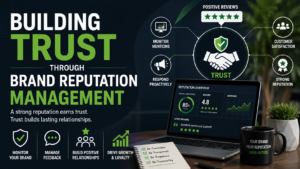
Brand reputation management graphic showing trust, positive reviews, customer satisfaction, feedback management, and reputation monitoring.

Building Trust Through Brand Reputation Management

A single bad review used to disappear into the noise. Now it sits at the top of a Google search for years, shaping what strangers think about a company before they ever place an order. That shift is exactly why brand and reputation management has become something businesses cannot afford to treat as an afterthought anymore. The piece breaks down what real reputation management actually looks like. Also, why it matters more than most owners realize. What Brand Reputation Management Actually Means At its core, brand reputation management is the practice of shaping and protecting how a business gets perceived, both online and off. It covers everything from responding to a one-star review to monitoring what people say on social media when nobody is watching. Ignore this work, and the narrative around your business gets written entirely by other people, sometimes fairly, sometimes not. Here is the part a lot of business owners miss. This is not just crisis control, showing up only when something goes wrong. Real business reputation management runs constantly in the background. Moreover, building goodwill during the quiet stretches so a company has something to fall back on when a tougher moment eventually shows up. Because eventually, it does. Why Online Brand Reputation Carries So Much Weight Now People research before they buy almost everything now. The habit has completely rewritten how businesses get judged. A company’s online brand reputation often gets shaped by things it never directly controls. The measurables like reviews, forum threads, random comments buried in a Reddit post from two years ago. Ignore that terrain, and someone else decides what shows up first when a potential customer searches your name. Social proof carries serious weight here too. Seeing consistent five-star reviews next to thoughtful, professional replies to the rare complaint tells a customer something real about how a business treats people. That contrast, a company that responds instead of hiding, builds brand trust faster than almost any advertisement ever could. Word spreads fast in the other direction too. One dismissive response to a legitimate complaint, and that screenshot can travel further than the business ever wanted it to. How Brand Reputation Shapes Customer Trust And Buying Decisions Trust is not some soft, feel-good concept sitting off to the side of business strategy, it is the thing that actually decides who gets the sale. When two competitors sit side by side, customers overwhelmingly lean toward the one with stronger reviews and a cleaner reputation. The connection between customer trust and brand reputation shows up clearly in the data, not just in gut feeling. This dynamic hits repeat business even harder than first-time sales. A customer burned once by poor service, or by a company that stayed silent during a public complaint, rarely comes back to give a second chance. Meanwhile, businesses that consistently show up change the narrative. When they admit mistakes and follow through on fixes tend to build a loyal base that sticks around.  Reputation Management Strategies That Actually Work Monitoring comes first, and it cannot be something you only think about after a bad review notification shows up. Set up alerts for brand mentions across review sites, social platforms, search results, all of it. Catching a problem early beats scrambling to fix it once it has already spread. A real reputation management strategy treats this like a daily habit, not something squeezed in whenever there is spare time. How fast you respond matters almost as much as what you actually say. Someone complaining publicly wants to see you address it within a day or two, calmly, without getting defensive about it. That alone tells people watching from the sidelines that this is a business that actually cares when something goes wrong. Getting happy customers to leave reviews helps balance things out too. A handful of negative reviews sitting by themselves reads very differently than those same reviews buried under dozens of good ones. And do not just show up on one platform and ignore the rest. A business that handles Google reviews well but goes silent on Facebook sends a mixed message, and people notice that inconsistency more than you would think. Treat every platform the same way, and there are fewer cracks for problems to slip through unnoticed. Frequently Asked Questions What is brand reputation management and why is it important? It is the ongoing work of shaping how people see a business, online and off. It matters because reputation drives buying decisions directly, and businesses that ignore it tend to lose customers to competitors who simply look more trustworthy. How can businesses improve their online brand reputation? Stay on top of mentions constantly, respond to reviews fast and without getting defensive, and actually ask satisfied customers to share their experience. Being consistent everywhere matters more than being perfect on just one platform. How does brand reputation affect customer trust and buying decisions? People trust businesses with a strong reputation, plain and simple, and that trust pulls customers toward one option over another even when prices are close. A clean reputation can outweigh a lower price from a competitor more often than people expect. What are the best brand reputation management strategies? Constant monitoring, quick and genuine responses, encouraging real customers to leave reviews, and staying consistent across every platform where your business shows up. Skip any one of these, and the gaps start to show. Protecting What Your Business Has Already Built Reputation does not fix itself once things go sideways, it has to be built and looked after on purpose, day after day. 14 K Business Solutions helps businesses take control of that process, turning scattered reviews and mentions into something that actually reflects the work being done. If your online presence has been sitting untouched, now is a good time to change that.

Read More »
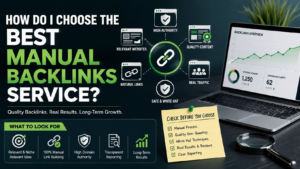
Guide to choosing a manual backlinks service with relevant websites, quality links, white-hat SEO, authority, and transparent reporting.

How Do I Choose the Best Manual Backlinks Service

Not all backlinks work the same way. Pick the wrong provider, and your rankings can drop instead of rise. A real manual backlinks service builds links the old-fashioned way. Real people reach out. Real relationships form. Nobody dumps your site into a spam network overnight. This guide breaks down what separates a solid provider from a risky one. You will learn what to look for. You will also learn how to avoid wasting money on links that do nothing at all. What Makes Manual Link Building Different Automated tools can churn out thousands of links in a day. But Google caught on to that trick years ago. Sites using it often get penalized eventually. Manual backlink building works differently. A real person researches relevant websites. They reach out directly. They earn a placement based on real value. That might be a guest post. It might be a resource to mention. It might be a natural editorial link. This difference matters more than people think. Search engines have gotten better at spotting automation. They notice identical anchor text on low-quality sites. They notice links appearing in bulk overnight.  A manual link building service avoids these red flags. Every placement gets checked by a human first. So yes, it takes longer. But the results tend to stick around, even after the next algorithm update. What To Look For In A Quality Provider Check transparency first. A trustworthy provider tells you which sites they are pitching. They explain the domain authority. They walk you through the outreach process. If a provider stays vague about where your links come from, that is a warning sign. If they refuse to share past placements, walk away. Relevance matters just as much as authority. A link from an unrelated site does little for your rankings. A link from a site your audience actually trusts does far more. So, before you decide to buy manual backlinks, ask how they match opportunities to your niche. Do they chase relevance, or just chase the highest number they can find? Pricing tells its own story too. Rock-bottom rates for bulk packages usually mean corners got cut somewhere. That might mean low-quality sites. It might mean thin content. It might mean links buried on pages nobody visits. A fair price reflects real time and real effort. Genuine outreach cannot get rushed or mass-produced. Red Flags That Signal A Risky Service A few warning signs show up again and again. Guaranteed rankings within a set timeframe top the list. No legitimate provider can promise results Google itself does not guarantee. Packages offering hundreds of links for almost nothing usually involve link farms. These carry real penalty risk. Watch for providers who dodge questions about their process too. If a company will not explain where links come from, that vagueness usually hides shortcuts. A legitimate manual backlinks service welcomes these questions instead of avoiding them. How To Know If Your Backlinks Are Actually Working Tracking results takes patience. Manual link building rarely delivers overnight jumps. Watch your domain authority and organic traffic over months, not days. Check whether new referring domains actually fit your niche. Random unrelated sites do not help much. Google Search Console gives you a simple way to monitor which backlinks are indexed and adding real value over time. Choosing The Right Partner For Long-Term Growth Finding the right manual backlinks service takes patience. It takes transparency. It takes choosing quality over shortcuts that put your site at risk.  A provider who explains their process, shows real examples, and sets honest expectations is worth far more than one promising instant results nobody can deliver.  14K Business Solutions builds manual backlink building strategies around real relevance and lasting authority. No shortcuts. No links that vanish the moment Google updates its algorithm. Frequently Asked Questions Is a manual backlinks service safe for SEO? Yes, when done right. Real people vet each placement individually. This avoids the spammy patterns that trigger Google penalties. It makes manual link building a safer long-term strategy than automated or bulk link schemes. How much does a manual backlinks service cost? Pricing varies. It depends on your niche, site authority, and how much outreach the job needs. Expect to pay more than you would for automated alternatives. Quality outreach takes real time, and that shows up in the price of a legitimate provider. How long does a manual backlinks service take to work? Most businesses see measurable movement within three to six months. This depends on your competition and how consistently new links get added. Manual link building builds authority slowly. It does not deliver instant spikes. Can a manual backlinks service improve Google rankings? Yes, especially when links come from relevant, authoritative sites earned through real outreach. Quality backlinks remain one of the strongest ranking factors Google uses. That makes manual link building a smart long-term investment for most sites.

Read More »
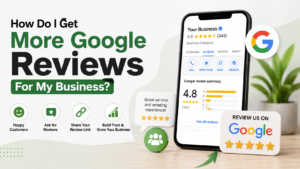
A modern infographic showing how businesses can get more Google reviews using customer feedback, review links, and trust-building strategies.

How Do I Get More Google Reviews For My Business?

Picture a potential customer searching online for a local service. Two options pop up immediately at the top of the search results. One business has four stars with three outdated ratings. The other boasts a 4.9-star rating with over two hundred enthusiastic write-ups. Which shop gets the phone call? The answer is obvious. In 2026, online feedback acts as digital word-of-mouth. It directly drives purchasing decisions and local search rankings. If your company struggles to collect feedback online, you are missing opportunities to attract new customers. Learning how to get more Google reviews is one of the fastest, most cost-effective ways to build public trust and beat local competitors. At 14K Business Solutions, we specialize in helping brands optimize their digital presence. Our goal is to help you capture high-intent local clients. Let’s look at why public feedback matters so much and explore proven strategies to build a more consistent review process. The Power of Online Feedback for Local Visibility When customers search for local solutions, search engines prioritize trust and proximity. Positive feedback can strengthen the trust signals associated with your local presence. In turn, a steady flow of reviews can help customers feel more confident about choosing your business. Consequently, building a steady flow of Google reviews for business growth directly improves your visibility in local map packs and organic search rankings. Furthermore, feedback impacts your broader digital reputation. Public ratings validate your expertise and make your paid ads and social campaigns far more persuasive. When shoppers see consistent praise from their neighbors, their buying friction drops instantly. Optimize Your Digital Storefront First Before asking clients for feedback, your public profile must be fully optimized and easy to navigate. Having a verified, complete profile ensures a smooth experience for your customers. When they click your feedback link, they land directly on a clean, functional rating page without any technical hiccups. Managing your Google Business Profile reviews effectively requires consistent maintenance: Overall, taking care of these core profile elements sends a strong message. It shows potential buyers and search algorithms that your business is responsive, professional, and reliable. Simple Strategies to Collect Feedback Daily People are busy, and unless you make the process frictionless, even your biggest fans will forget to post. Knowing how to get more Google reviews simply comes down to asking at the right moment through the right channels. 1. Ask Right at the Peak Moment of Satisfaction First, timing matters. Ask for feedback soon after delivering a great result, finishing a successful service, or closing a smooth sale. The customer’s enthusiasm is highest right at that moment. 2. Send Short, Direct SMS and Email Follow-Ups Send a polite text message or email shortly after their service. Include a direct link that opens the rating window with a single tap. ·         Step 1: Thank the client for choosing your service. ·         Step 2: Include a direct 1-click link to your review page. ·         Step 3: Keep the message under 3 sentences for maximum readability. 3. Use Physical Touchpoints and QR Codes Finally, if you operate a physical store or office, display printed QR codes at your checkout counter, on receipts, or on business cards. A simple callout like “Loved your experience? Scan here to let us know!” encourages immediate action while the visit is still fresh. Boost Your Search Rankings with Off-Page Optimization Collecting customer feedback is a core pillar of effective off-page SEO. On-page search engine optimization handles your website’s content and structure. Off-page strategies, on the other hand, build your website’s overall authority and local trust across the web. Integrating consistent client ratings into your broader local strategy sends undeniable trust signals. These signals go directly to major search algorithms. As a result, a strong reputation and broader off-page SEO efforts can support your visibility in competitive local searches. Managing Negative Feedback Like a Pro Fearing a bad review holds many owners back from asking for feedback altogether. Receiving an occasional low rating is completely normal. It actually allows you to show your accountability. However, when a negative comment appears, respond quickly and professionally. Acknowledge their frustration and apologize for any shortfall. Then take the conversation offline by offering a direct phone number or email address. When potential clients see you handle complaints with grace, their trust in your brand actually grows. Maintaining high-performing Google Business Profile reviews isn’t about hiding flaws; it’s about showcasing your dedication to top-tier customer care. Partner with 14K Business Solutions for Total Digital Growth Consistently generating Google reviews for business success requires systematic processes, strategic communication, and ongoing profile management. Trying to handle manual outreach while managing daily operations can quickly become overwhelming. As a leading digital marketing company in Philadelphia, 14KBSol builds comprehensive growth engines that turn satisfied clients into vocal brand advocates. Our expert team handles the technical heavy lifting. Our expert team handles the technical heavy lifting, from automated feedback workflows to complete local search optimization. As a result, you can focus more of your time on serving your growing client base. At 14K Business Solutions, we combine local SEO, reputation management, and digital marketing strategies to help businesses grow online. Ready to dominate your local market, boost your search rankings, and attract more high-value clients? Reach out to 14K Business Solutions today to craft a customized reputation strategy designed specifically for your brand!

Read More »