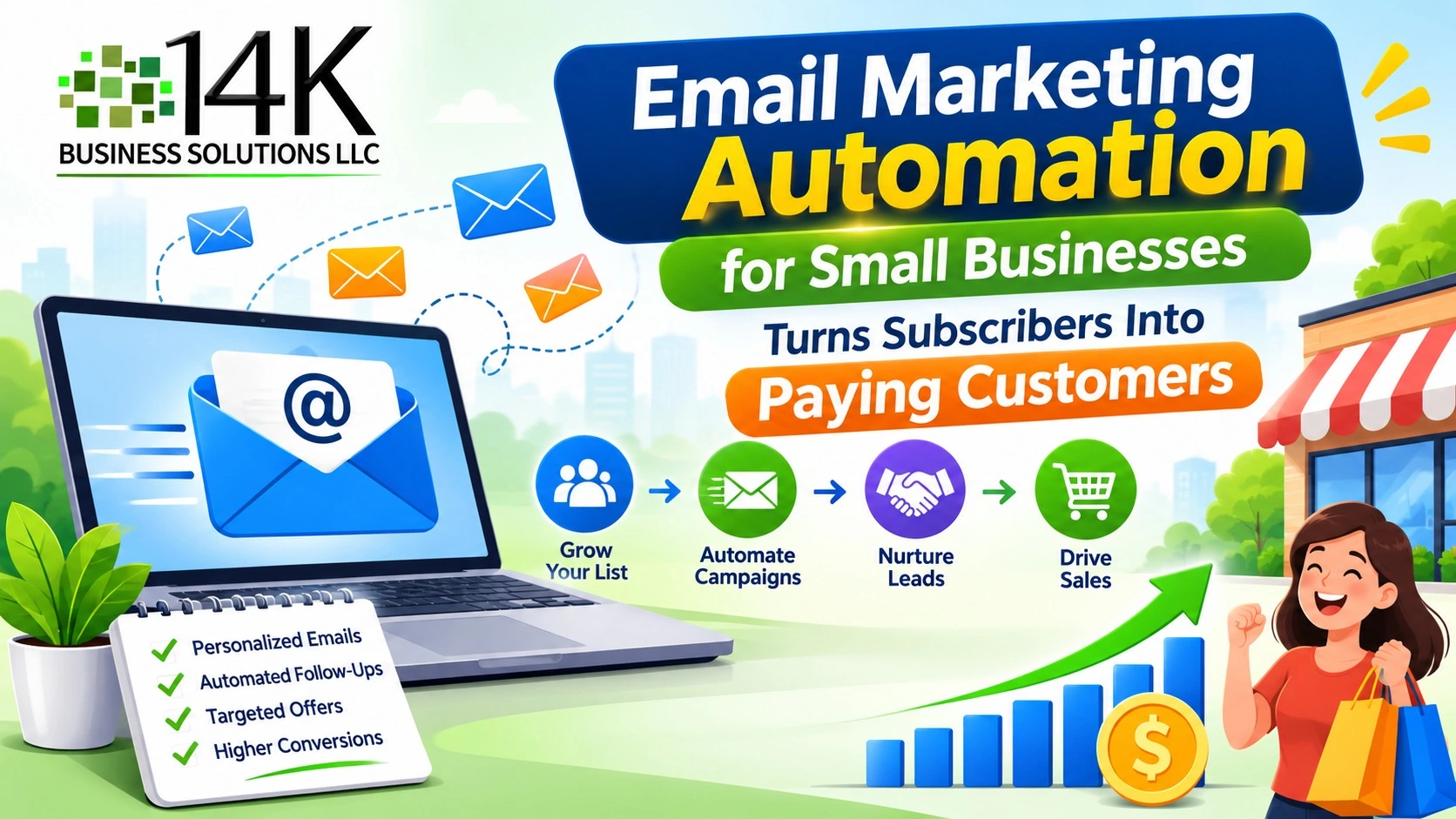
Most small business owners are happy when their email list starts growing. Then reality sets in. People sign up, you send a few emails when you remember, and sales stay slow. It’s not that your subscribers don’t like you. They just need more attention than a busy owner can give by hand. That’s why email marketing automation for small business is worth a look. It handles follow-up emails based on the timing and triggers you set.
What Automation Means
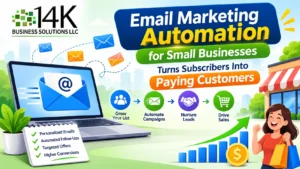
Email marketing automation is a way to send emails without pressing send every time. You write your messages ahead of time and choose what should trigger each one. For example, a new subscriber gets a welcome email, and a customer who just bought something gets a thank-you note. Once you’ve set up the workflow, the software sends those emails automatically while you focus on running your business.
Why Small Teams Need It
Small businesses rarely have a marketing department. Usually, it’s one or two people doing everything. Writing individual emails takes hours, and those hours are hard to find. Automation gives some of that time back.
It keeps you in touch with your audience. If people only hear from you once in a while, they forget who you are. When your emails show up on a steady schedule, your name becomes familiar. People are more comfortable buying from a business they already know, and that familiarity is built one email at a time.
Start With a Welcome Email
The first email you send matters a lot. Someone just signed up, so they’re likely paying attention, and welcome emails often get strong engagement. Say thanks, tell them what kind of emails to expect, and share a bit about your business in a few simple sentences.
A small discount on a first order can help, but it isn’t required. Many businesses send two or three welcome emails over the first week. That gives new subscribers a chance to get to know you without feeling like you’re rushing them to buy.
Send Emails Based on Behavior
This is where automation helps. Instead of sending a single email to your entire list, you can target based on the actions each person takes. Say someone clicks on a product they like. You can send them a short follow-up with a bit more detail about it. Or, if a shopper leaves something in their cart, a quick reminder a few hours later can bring them back.
These emails can feel more relevant because they connect to something the person has already shown interest in. After a purchase, you can send a thank-you message and ask how everything went. The answers can teach you a lot about your customers.
Give Value Before Selling
Some subscribers need time. They might be comparing options or learning about what you offer. That’s normal. Automated emails let you stay helpful during that stage by sharing tips, answers to common questions, and short stories from customers you’ve worked with.
When you help people before asking for anything, they start to trust you. Later, when they’re ready to buy, you’re the business they already feel good about. This is a big reason email marketing automation for small businesses can turn quiet subscribers into paying customers without any pushy selling.
Keep Customers Coming Back
The first sale is only the start. Repeat purchases can increase a customer’s value over time. Staying in touch with existing customers may also create opportunities for additional sales. Automated emails can suggest related products, ask for a review, or offer a small thank-you after a few months.
Satisfied customers may also recommend your business to friends and family.
How to Get Started
You don’t need a big budget or technical skills. Most email platforms come with templates and simple editors, so you can build your first emails without a designer. Start with a welcome email. If you sell products online, consider adding an abandoned-cart reminder. Once they’re running well, add more.
Send marketing emails to people who have agreed to hear from your business, and make it easy for them to unsubscribe. Follow applicable email marketing laws, including the CAN-SPAM Act, and keep your contact list up to date.
Keep your emails short and friendly, and give readers one clear thing to do, like visiting a product page. Write the way you’d talk to a customer in person. Each month, review your clicks, conversions, and unsubscribe rates to see what’s working and what needs improvement. Even small changes can improve results over time. Getting email marketing automation for small business right is mostly about starting simple and staying consistent.
Final Thoughts
Subscribers don’t turn into customers overnight. They need useful information and good timing, and automation helps you provide both without adding to your workload. Start with a couple of emails, learn from what you see, and build from there.
If you’d like help setting this up, 14K Business Solutions is here for you. Our team can help you choose the right tools and create email campaigns that fit your business.