
Having a good product or service doesn’t automatically mean customers will discover your business. People often check social media before deciding where to shop, which company to contact, or which service provider to consider.
Traditional advertising and word of mouth still matter, but social media gives businesses another way to reach potential customers and stay connected with existing ones.
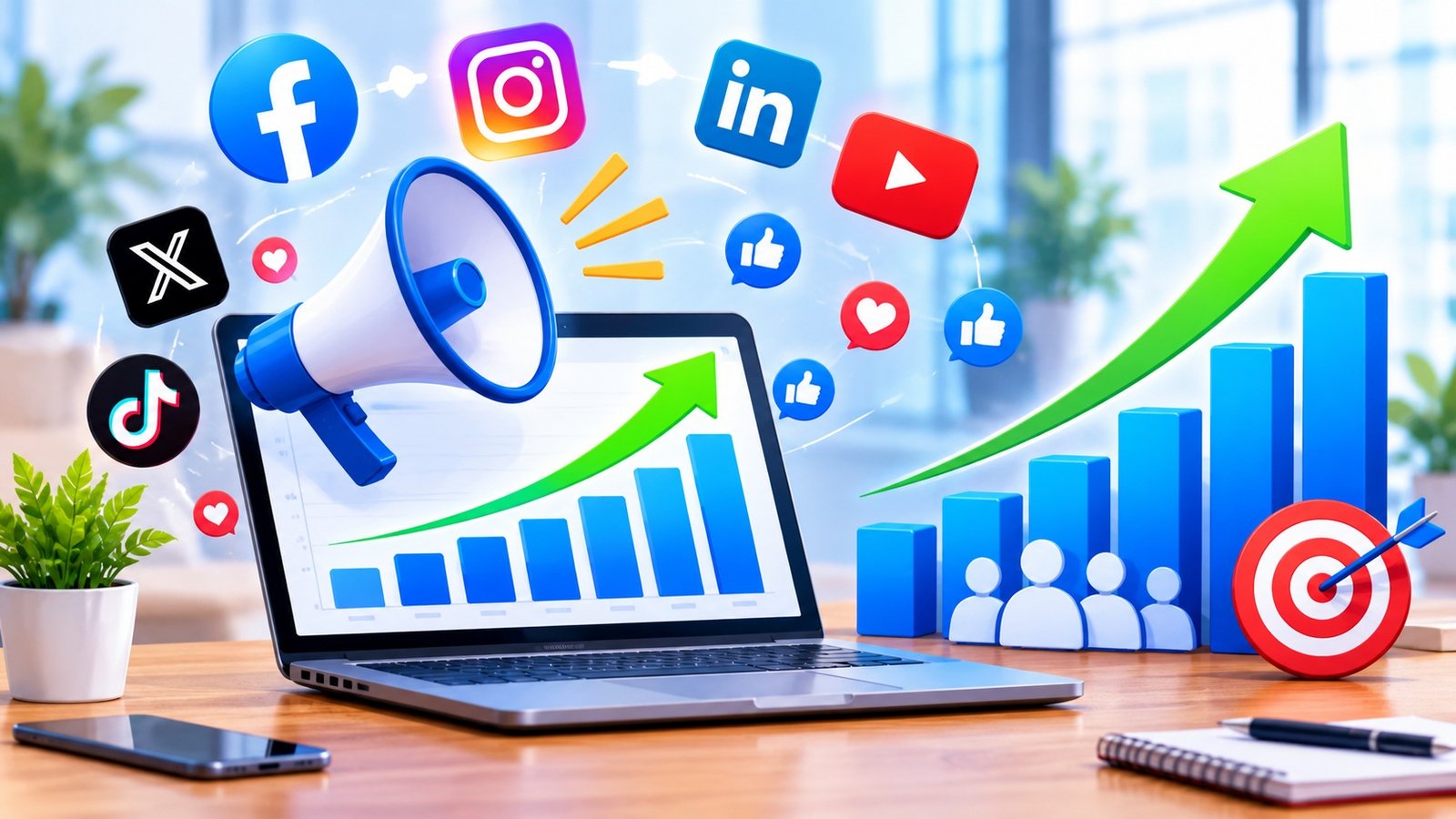
Investing in professional Social Media Marketing Services can help your company develop a clear content strategy, maintain a consistent presence, and reach people who may be interested in what you offer.
Some business owners treat social media as an afterthought. They post occasionally, see little engagement, and assume it doesn’t work for their industry.
But posting without understanding your audience or measuring results makes it difficult to know what’s actually working.
Platforms such as Instagram, LinkedIn, and Facebook use different systems to determine which content people see. Factors such as relevance, audience interests, and engagement can influence content distribution.
A useful social media strategy starts with understanding your customers, choosing suitable platforms, and creating content that gives people a reason to pay attention.
Here’s how social media marketing can support business growth and where professional management can make a difference.
Building Brand Awareness Where Your Customers Spend Their Time
People regularly use social media to discover businesses, explore products, and learn about services. Maintaining a recognizable presence on platforms your customers use can make your business more familiar over time.
Brand awareness isn’t simply about follower counts. It also matters whether people recognize your business and remember it when they need your products or services.
Choosing the right platforms is just as important as posting content.
A B2B consultancy might prioritize LinkedIn to connect with decision-makers, while a retail brand could use Instagram to showcase products through photos and videos. However, the best platform depends on where your specific audience is active.
A professional agency can research your target audience, review your competitors, and identify which platforms deserve the most attention.
This allows your business to focus its resources on channels that are relevant to its customers rather than trying to maintain an active presence everywhere.
Engaging Your Audience Through Storytelling
People often want to understand who they’re buying from before making a decision. Social media gives businesses an opportunity to show how they work, answer questions, and share information that doesn’t fit into a traditional advertisement.
Why Authentic Storytelling Wins
Behind-the-scenes videos can show your team working on actual projects. Short educational posts can answer questions customers frequently ask. Customer stories, shared with permission, can demonstrate how your products or services are used.
For example, an HVAC company might share a short video explaining why an air conditioner isn’t cooling properly. A restaurant could show how a popular dish is prepared.
This type of content gives people something useful or interesting to engage with.
Responding to comments and messages also matters. When customers ask questions, timely and helpful replies show that someone is paying attention.
Over time, these interactions can build familiarity and trust, making potential customers more comfortable contacting your business.
Driving Qualified Traffic and Inbound Leads
Brand awareness and engagement are valuable, but businesses also need to understand whether social media contributes to customer inquiries and sales.
Organic content can introduce people to your business and keep existing followers informed. Paid social media advertising can extend your reach to selected audiences based on the targeting options available on each platform.
Used together, these approaches can support lead generation, although results depend on your audience, offer, budget, and campaign setup.
Turning Attention Into Sales
Start by making the next step clear when a post calls for action.
A service business might direct people to a booking page, while a retailer could link to a specific product. Some platforms also offer lead forms that allow interested customers to submit their information without leaving the app.
Make sure the destination matches what the post promises. If someone clicks an advertisement for a particular service, they should reach a page that explains that service and how to request it.
Professional Social Media Marketing Services can help businesses plan campaigns, create relevant content, and monitor which posts or advertisements generate inquiries.
However, posting more frequently doesn’t automatically mean you’ll get more leads. Content quality, relevance, and a clear next step matter more than publishing simply to fill a calendar.
Saving Time and Maintaining Consistency
Time is a major challenge for many small business owners. Between managing employees, serving customers, and handling daily operations, social media often falls to the bottom of the priority list.
Creating content takes work. Someone needs to research ideas, write captions, prepare graphics, edit videos, schedule posts, and respond to audience interactions.
Without a plan, it’s easy to publish several posts one week and nothing the next.
Inconsistent posting doesn’t automatically cause social media platforms to stop showing your content. However, long gaps can make it harder to maintain regular communication with your audience.
Working with a social media marketing agency can reduce the amount of time business owners spend managing these tasks.
A content calendar also makes it easier to plan around seasonal promotions, business updates, customer questions, and upcoming events.
The goal is to maintain a manageable posting schedule with content that remains relevant to your audience.
Measuring ROI and Refining Your Strategy
Social media performance shouldn’t be judged by likes and follower counts alone.
Businesses need to understand what happens after someone sees or interacts with their content.
Analytics tools can provide information about reach, engagement, website visits, and other audience actions. When tracking is configured correctly, businesses can also measure leads and conversions associated with their social media campaigns.
For paid advertising, metrics such as cost per lead and conversion rate can help evaluate campaign performance.
However, not every sale can be attributed directly to a social media post. A customer might discover your business on Instagram, visit your website later, and contact you through another channel.
This is why reporting should consider both platform performance and actual business outcomes.
Reviewing the data regularly allows you to identify which topics attract attention, which campaigns generate inquiries, and where adjustments may be needed.
14K Business Solutions offers Social Media Marketing Services to help businesses plan content, manage their social media presence, and evaluate campaign performance.
If your business needs a more organized approach to social media marketing, contact 14K Business Solutions to discuss your goals.