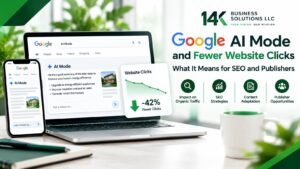

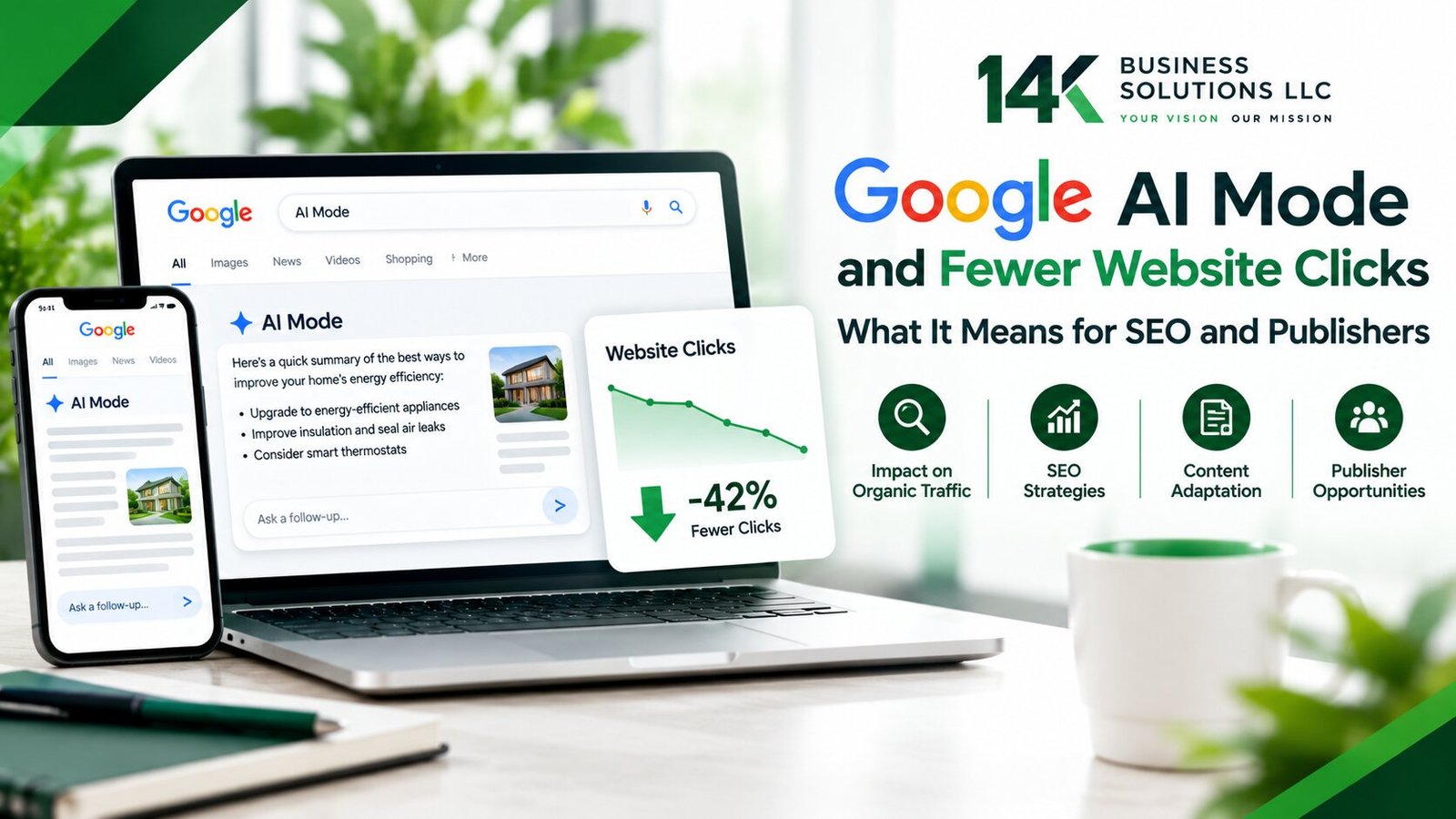
A new study just confirmed what many site owners already suspected. Google searches ended without a click 68 percent of the time in the U.S. during early 2026. That is up from roughly 60 percent just two years earlier.
This shift matters for any website owner. It matters even more for businesses relying on local SEO Services to bring in local customers.
AI Mode and AI Overviews are changing how people search. The data behind this change is hard to ignore.
Instead of clicking through to a website, more users get their answer directly inside Google. This guide breaks down what the research found. It also covers why this happened and what businesses can do about it.
What the Study Actually Found
Research from SparkToro tracked search behavior across millions of U.S. queries. The data came from Similarweb clickstream tracking in early 2026. That 68 percent zero-click rate covers several outcomes.
It includes clicks to organic results, paid ads, and Google-owned properties like Maps or YouTube. So, the real share of traffic reaching outside websites sits even lower than that headline number suggests.
AI Overviews now appear on a large share of search results. Because of this, organic clicks took a direct hit wherever those overviews showed up. Separate research found a clear pattern here.
When an AI Overview appeared, organic clicks dropped by roughly 38 to 40 percent on those queries. Zero-click searches on those same queries jumped from about 54 percent to 72 percent.
AI Mode pushes this trend even further. Semrush data found something striking. Somewhere between 92 and 94 percent of AI Mode sessions end without any click to an outside website.
AI Mode usage keeps climbing every quarter too. So its overall effect on search traffic will likely grow well beyond what this study captured.
Curious how these shifts might already affect your local search visibility? A quick audit from our local SEO services team can show you exactly where you stand.
Why This Is Happening Right Now
Longer, more conversational search queries feed directly into more AI-generated answers. This pattern keeps accelerating. Google leaned heavily into this approach since AI Overviews first rolled out.
AI Mode takes that idea even further. It handles entire research tasks inside one conversational interface. As a result, users often get a complete answer without leaving the search page at all.
AI Mode summarizes, compares, and curates information all at once. Because of this, people spend more time reading inside that summary box. They click through to individual websites far less often.
One usability study tracked real user sessions closely. People spent between 52 and 77 seconds inside AI Mode results on average. That is long enough to read, decide, and move on entirely. Across the sessions studied, the typical number of outside clicks per task came out to zero.
Not every search type gets swallowed up the same way, though. Transactional searches still tend to produce clicks. So do branded searches and high-intent local queries. Users often need to visit a specific business site to complete an action.
Booking an appointment or checking a menu are good examples. This distinction matters a lot for local SEO strategy going forward.
What This Means for Publishers and Local Businesses
Traffic that still makes it through to websites tends to carry more value now. This holds true even though overall volume has dropped. Visitors who click through after seeing an AI summary have already decided something.
They want more detail, or they are ready to take action. Therefore, that smaller slice of traffic often converts at a higher rate than before.
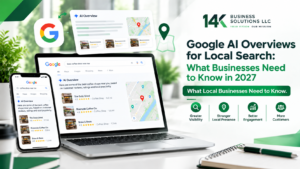
Local businesses face a different reality than large content publishers. Local SEO services focus on queries tied to specific locations and immediate intent. Finding a nearby plumber or checking store hours are good examples.
These searches hold up better against the zero-click trend than purely informational queries do. People searching for a nearby business still usually need to visit a website. They might call a number or get directions instead. AI summaries rarely replace that need entirely.
Visibility inside AI-generated answers has become its own kind of currency though. Businesses that show up as a cited source often see a real bump in clicks.
One study from Seer Interactive found something notable here. Brands appearing as a cited source earned roughly 35 percent more organic clicks. They also earned 91 percent more paid clicks compared to brands with no citation at all.
Adjusting Strategy Without Abandoning SEO
SEO has not become useless. It has simply shifted in focus. Ranking well still matters a great deal. However, earning a citation inside an AI-generated answer now carries real weight too.
Structured data helps increase visibility here. Clear, specific local information and strong business profiles help as well. Together, these factors improve the odds of getting pulled into AI summaries.
Wondering whether your business shows up where it matters now? Reach out to our local SEO services team. We can give you a clear picture of your visibility across both traditional and AI-generated results.
How Businesses Should Respond
Diversifying traffic sources matters more now than it did a few years ago. Relying entirely on organic clicks leaves a business exposed. This study just documented exactly that kind of risk.
Building a presence across Google Maps helps spread that risk out. Local directories and platforms customers already use help too.
Local and transactional searches still send real clicks. Because of this, detailed local listings pay off more than broad keywords. AI Mode tends to answer generic informational queries on its own anyway.
Consequently, businesses investing in local SEO services often see steadier results. This holds true compared to those chasing generic search traffic alone.
Tracking the right metrics matters going forward too. Click volume alone no longer tells the full story. Conversion rates deserve real attention now.
Citation appearances and qualified traffic matter just as much. A smaller number of clicks that convert well can outperform a larger number that never did much.
Final Thoughts
The data makes one thing clear. Search behavior has genuinely changed. The days of counting on steady organic clicks are mostly behind us now.
Still, local and transactional searches continue sending real traffic. This gives local businesses a real opening that broader publishers do not always have.
Our local SEO services team helps businesses adapt to exactly this kind of shift. We focus on the searches that still convert, not traffic AI Mode already answers on its own. Visit 14kbsol.com and find out where your business actually stands in this changing search landscape.